Standby + Backup Generator Installation
A backup generator is only useful if it keeps the things that matter running when utility power disappears.
Calvary Electric plans standby power around the electrical system, priorities, and loads a property actually needs protected, serving New Market, Woodbine, Monrovia, Ijamsville, Middletown, Adamstown, Myersville, Urbana, Mount Airy, and Eldersburg.
Backup Power Built Around What Matters Most.
When utility power goes down, not every circuit has the same priority. Some properties need a carefully selected group of essential circuits. Others need much broader coverage.
Calvary Electric starts by identifying what the property actually needs to keep operating, then works backward into the electrical requirements of the system.
More Than Placing a Generator Outside.
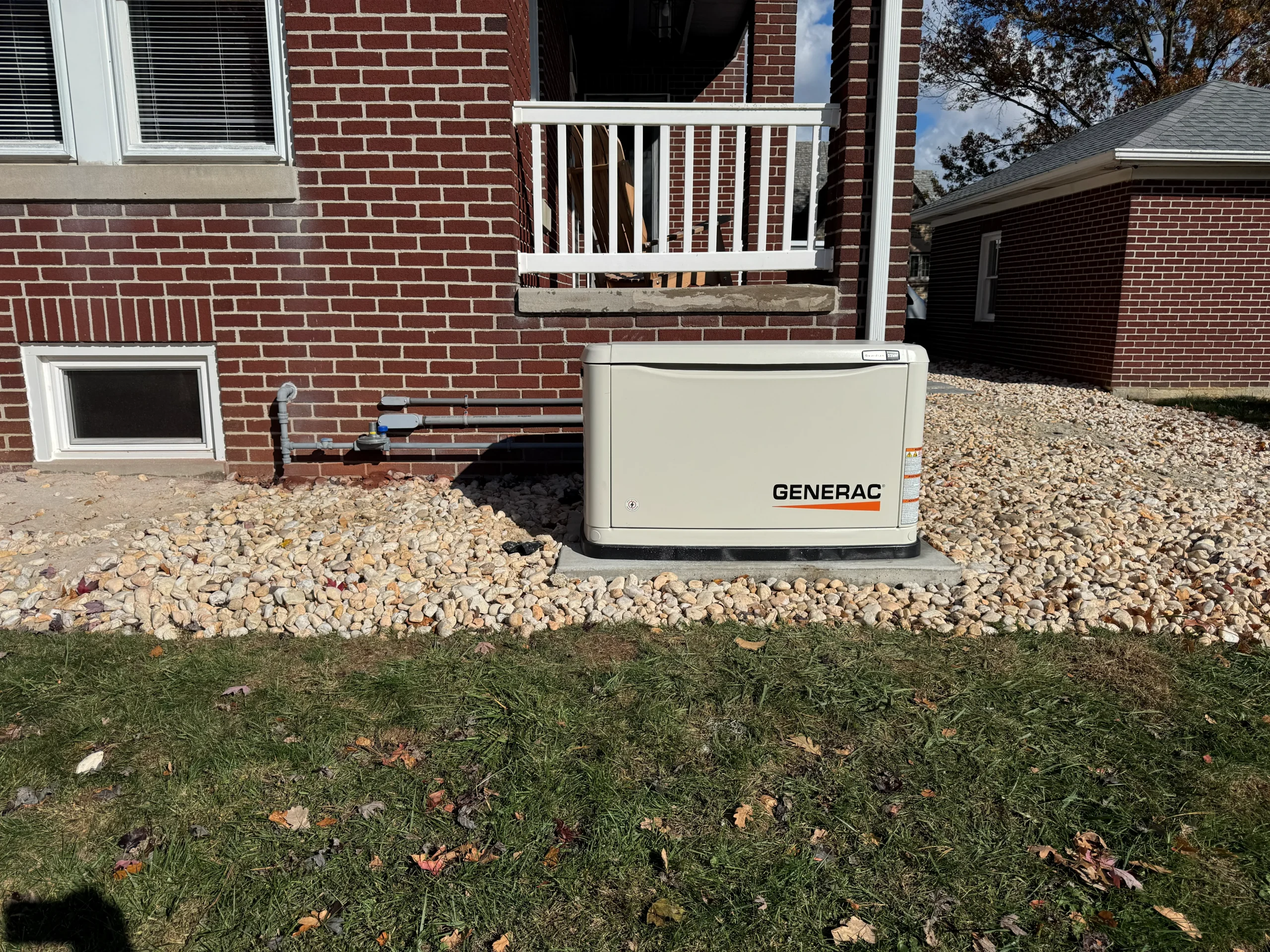
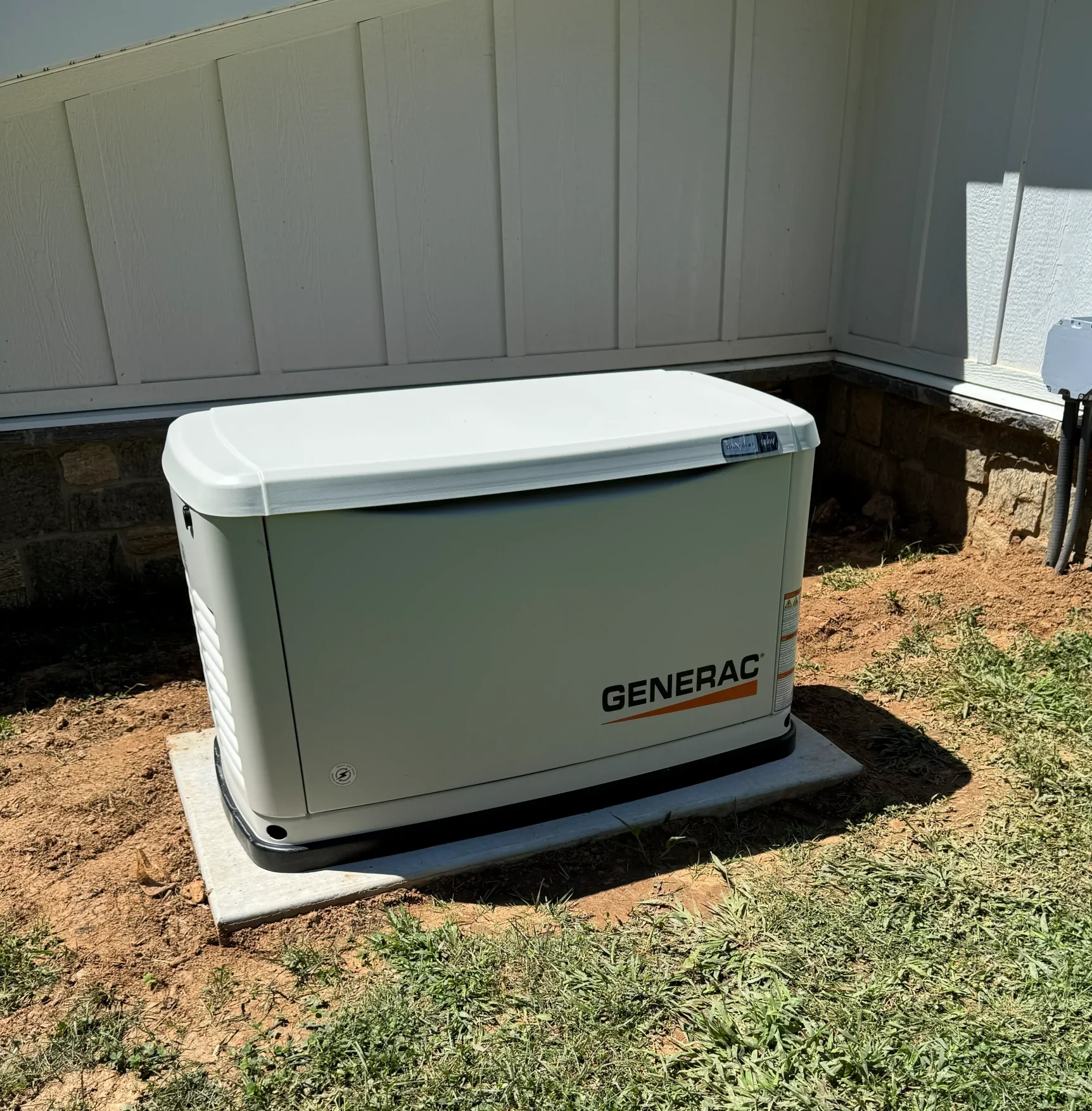
A permanently installed standby generator can provide automatic backup power when utility service is interrupted. The useful part is not the box itself. It is how the generator is integrated with the property’s electrical system.
A properly planned standby system can detect an outage and transfer selected electrical loads through the appropriate transfer equipment without requiring the homeowner to manually reconnect equipment every time power is lost.
- 01 / Electrical
- Load evaluation, panel review, wiring and circuit planning
- 02 / Integration
- Transfer equipment, generator connection and system configuration
- 03 / Coordination
- Equipment placement, applicable permits and inspection requirements
- 04 / Commissioning
- Testing and startup after the installation is complete
The exact scope depends on the generator, the existing electrical system, the loads being backed up, and the conditions at the property.
Bigger Is Not Automatically Better.
A generator should be selected around the electrical loads it is expected to support. That means understanding how much equipment needs backup power and how those loads behave when they start and run.
Motors and mechanical equipment can require considerably more power at startup than during normal operation.
HVAC EQUIPMENT / PUMPS / MOTORSMajor appliances and essential circuits should be separated from loads that can remain off during an outage.
APPLIANCES / ESSENTIAL CIRCUITS / OPTIONAL LOADSPlanned equipment, renovations and future electrical upgrades belong in the conversation before the system is finalized.
FUTURE LOADS / SYSTEM CAPACITY / PANEL CONFIGURATIONYour Panel Is Part of the Backup-Power Plan.
Your electrical panel plays an important role in how a standby generator connects to your home or business. During planning, Calvary Electric can evaluate the existing service and panel configuration along with the circuits you want supported during an outage.
Depending on the property and generator design, the project may involve changes to transfer equipment, circuit configuration, panel components, or other electrical equipment.
A generator installation does not automatically mean you need a new electrical panel.
If the existing equipment is appropriate for the planned system, there may be no reason to replace it. If an electrical limitation affects the project, we can explain what was found before additional work moves forward.
Electrical Panel Upgrades ↗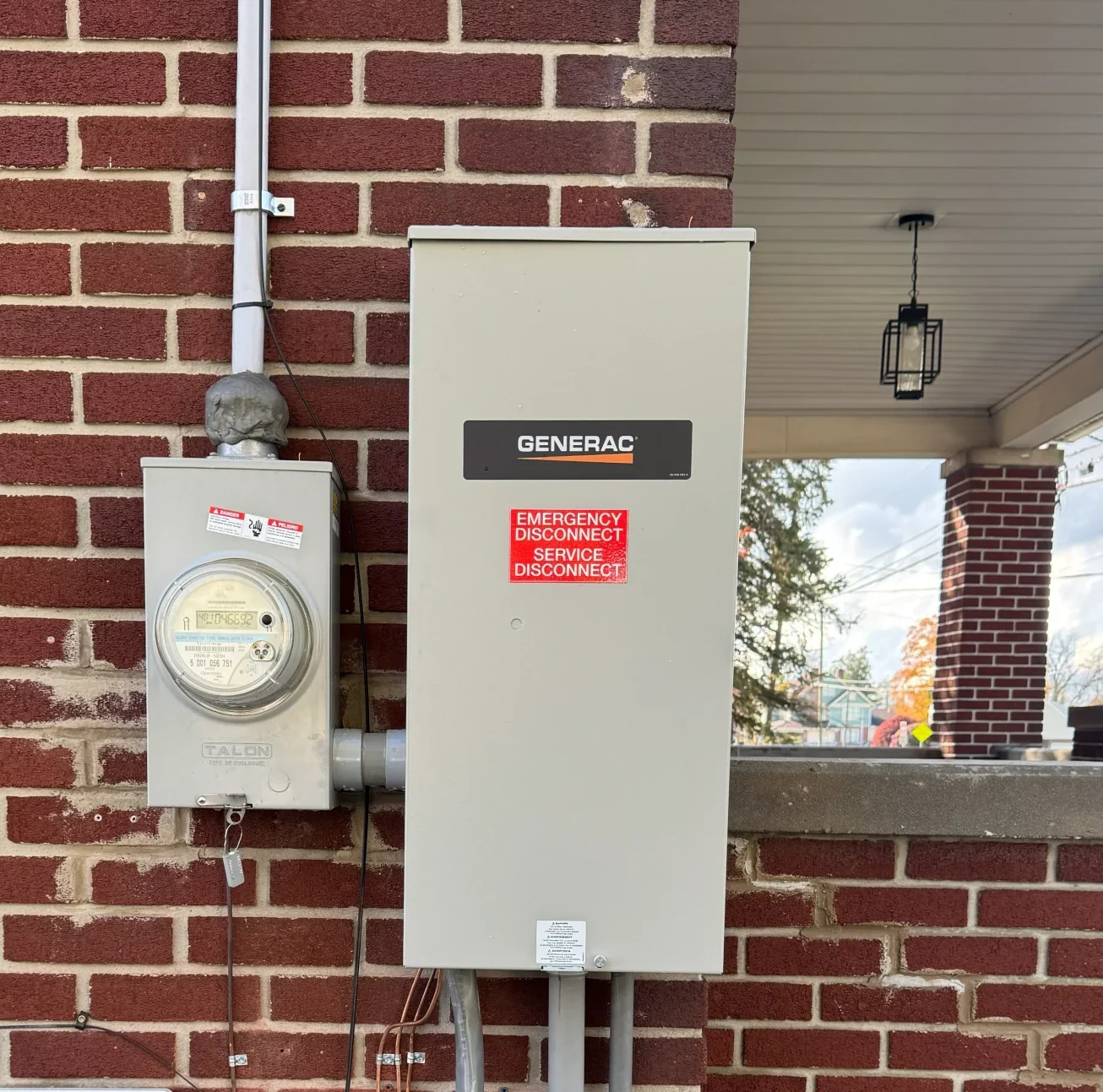
Safe Power Transfer Is Part of the System.
One of the most important parts of a standby generator system is controlling how power moves between the utility supply and the generator.
Transfer equipment isolates the appropriate electrical system from utility power before generator power is supplied.
With an automatic standby system, the transfer process can occur without the homeowner manually reconnecting electrical equipment each time utility power is lost.
The specific transfer equipment required depends on the generator system, electrical service, panel configuration, and the circuits or loads being backed up.
Start With the Need. Build the System From There.
Generator installation is not one decision. It is a sequence of electrical decisions that should make sense together.
Understand Your Backup-Power Goals
We start by identifying what you want to keep operating during an outage and how much of the property you want backed up.
Evaluate the Existing Electrical System
We review the service, panel, available capacity, circuits, and other conditions that could affect the installation.
Determine Electrical Requirements
We identify the transfer equipment, wiring, circuit changes, panel work, and other electrical components required.
Plan Equipment Location & Coordination
Placement is planned around equipment requirements, routing, clearances, property conditions, and applicable requirements.
Install the Electrical System
The required electrical equipment and connections are installed according to the approved project scope.
Test the Backup-Power System
Once installation and required coordination are complete, the system is tested to confirm that the generator and transfer equipment operate as intended.
Backup Power Is Easier to Plan While the Power Is Still On.
Waiting until a major storm or extended utility outage exposes the problem can leave property owners trying to make important electrical decisions under pressure.
What do you actually want to keep running?
How much generator capacity might you need?
Can the existing electrical system support the installation?
What other electrical work could be involved?
Where can the equipment be located?
What transfer equipment will be required?
Protect the Critical Operations.
Businesses may need backup power to protect equipment, maintain critical systems, reduce disruption, or support essential operations during a utility outage. The electrical plan starts with identifying which systems truly cannot go dark.
Keep the House Working Like a House.
Home generator systems can be designed around essential circuits or broader backup-power needs. Refrigeration, pumps, HVAC equipment, lighting, appliances, communications, and other household loads all change what the system may need to support.
Generator Installation Questions.
The useful questions are the ones that change the design, scope, or cost of the system. These are the ones worth answering before equipment is chosen.
Generator installation costs can vary considerably. Factors may include generator capacity, the number and type of loads being supported, transfer equipment, electrical-panel configuration, wiring distance, equipment placement, fuel-system requirements, permits, inspections, trenching, and existing conditions at the property. The most useful way to estimate the project is to evaluate the property and determine the actual scope first.
The right generator size depends on what you want to operate during an outage. Rather than selecting equipment based only on the size of the house, the electrical loads being backed up should be evaluated. Major appliances, HVAC equipment, pumps, motors, and other loads can significantly affect generator requirements.
Not necessarily. Your existing electrical service and panel configuration should be evaluated as part of the project. Some installations may work with the existing equipment, while others may require electrical modifications. A panel upgrade should be recommended because the electrical system actually requires one, not simply because you are installing a generator.
Transfer equipment controls how the electrical system switches between utility power and generator power. It helps ensure the generator and utility source are properly separated while backup power is being supplied. The exact equipment used depends on the generator system and electrical configuration.
Generator placement depends on several factors, including manufacturer requirements, required clearances, property conditions, electrical and fuel routing, and applicable local requirements. The installation location should be evaluated before equipment placement is finalized.
Permit and inspection requirements can vary depending on the municipality, equipment, and project scope. Any requirements that apply to your installation should be identified as part of the planning process rather than assuming the same rules apply to every property.
Possibly. The answer depends on the existing service, panel configuration, generator system, transfer design, and the electrical loads you want backed up. Calvary Electric can evaluate the electrical system as part of planning the installation.
Start With What You Need to Keep Running.
A generator is a major investment in your home or property. The electrical system connecting it should be planned just as carefully.
Calvary Electric can help you evaluate your electrical system, determine your backup-power priorities, and plan the electrical work required for a standby generator installation.